The Life Force of Plants: Essential Oils 101
A Beginner’s Guide to Understanding Aromatherapy
I remember the exact moment essential oils changed how I think about wellness. I was in a hotel room in Bali at 2 am, jet-lagged and unable to sleep. A friend had given me a small bottle of lavender oil before my trip, and out of desperation, I gently rolled a little onto the crown of my head and took a few slow, deep breaths. Within minutes, something shifted. My racing thoughts slowed. My nervous system settled. By 3 am, I was asleep.
That night sparked an obsession. I wanted to understand what had just happened. Over the next few months of research, I discovered that essential oils aren’t just nice smells. They’re concentrated plant wisdom backed by both ancient tradition and modern science. Here’s what I learned.
What Are Essential Oils?
Let me start with the most important distinction: essential oils are not perfume, and they are not fragrance oils.
An essential oil is a concentrated, volatile liquid extracted from a plant. It contains the most potent compounds from that plant, the ones that give it its distinctive scent and powerful effects on your body and mind.
Think of it this way: if a plant is a library, the essential oil is the greatest hits album. It takes approximately 68 kilograms of lavender flowers to produce less than half a kilogram of lavender essential oil. That’s how concentrated these oils are.
Fragrance oils are synthetic imitations created in a lab. They’re cheaper and last longer, but they don’t contain actual plant compounds and don’t have the same effects on your nervous system.
Carrier oils (like coconut or jojoba oil) are used to dilute essential oils before applying them to skin. They’re not aromatic—they’re simply a vehicle for safe application.
This distinction matters because it affects both quality and effectiveness. When I discovered that Morlinka uses 100% pure essential oils—never fragrance oils—I understood why their products felt so different from other aromatherapy options I’d tried.
How Essential Oils Work

The science behind essential oils is fascinating. When you inhale an essential oil, the scent molecules enter your nasal cavity and travel directly to your olfactory bulb at the base of your brain. From there, the signal goes straight to your amygdala (your emotional centre) and your hippocampus (your memory centre).
This is the key: scent has a direct pathway to your emotional and memory centres. No other sense works this way. This is why a single whiff of a familiar scent can instantly transport you to a memory, and why essential oils can shift your mood within seconds.
When you’re anxious, your amygdala is in overdrive, scanning for threats. When you inhale lavender, the scent molecules signal safety to your brain. They activate your parasympathetic nervous system (your rest-and-digest system). Your body receives the message: “You’re okay. You can relax.”
Similarly, peppermint works differently. The menthol creates a cooling sensation and activates your sympathetic nervous system (your alert system). It signals activation and clarity, which is why peppermint is so effective for focus and productivity.
Common Essential Oils & Their Benefits
Lavender: The most versatile and studied essential oil. It calms your nervous system, promotes sleep, and reduces anxiety. It contains over 150 compounds, including linalool (calming) and geraniol (uplifting). Perfect for beginners.
Frankincense: One of the most ancient oils, used for thousands of years. It grounds you in the present moment, supports meditation, and creates a sense of sacred space. The oil of presence and ritual.
Bergamot: A citrus oil that’s both uplifting and calming. It reduces stress, improves mood, and creates a sense of joy and lightness. The oil that says, “You deserve to feel good.”
Ylang ylang: Bright, fresh, and energising. It improves mental clarity, uplifts mood, and creates a sense of renewal. Like sunshine in a bottle.
How to Use Essential Oils Safely
Diffusion (Safest Method): Use a diffuser to disperse oils into the air, or use a mist like Morlinka. This is safe for everyone, including children and pets (though research specific oils for pets). Diffuse for 15-30 minutes at a time.
Inhalation: Place a drop on a tissue and breathe in deeply, or use a personal inhaler. This is faster than diffusion and very powerful. Don’t inhale directly from the bottle—the concentration can be too strong.
Topical Application (With Dilution): Essential oils must be diluted in a carrier oil before applying to skin. Never apply undiluted. Use a 2-3% dilution ratio (2-3 ml essential oil per 100 ml carrier oil). Always patch test first.
Understanding Morlinka’s Approach
As I researched essential oils, I became impressed by how Morlinka approaches their products. They’re not just selling scents—they’re creating intentional tools for wellness.
Each Morlinka mist is a carefully crafted blend designed with a specific wellness goal in mind. Here’s what makes them different:
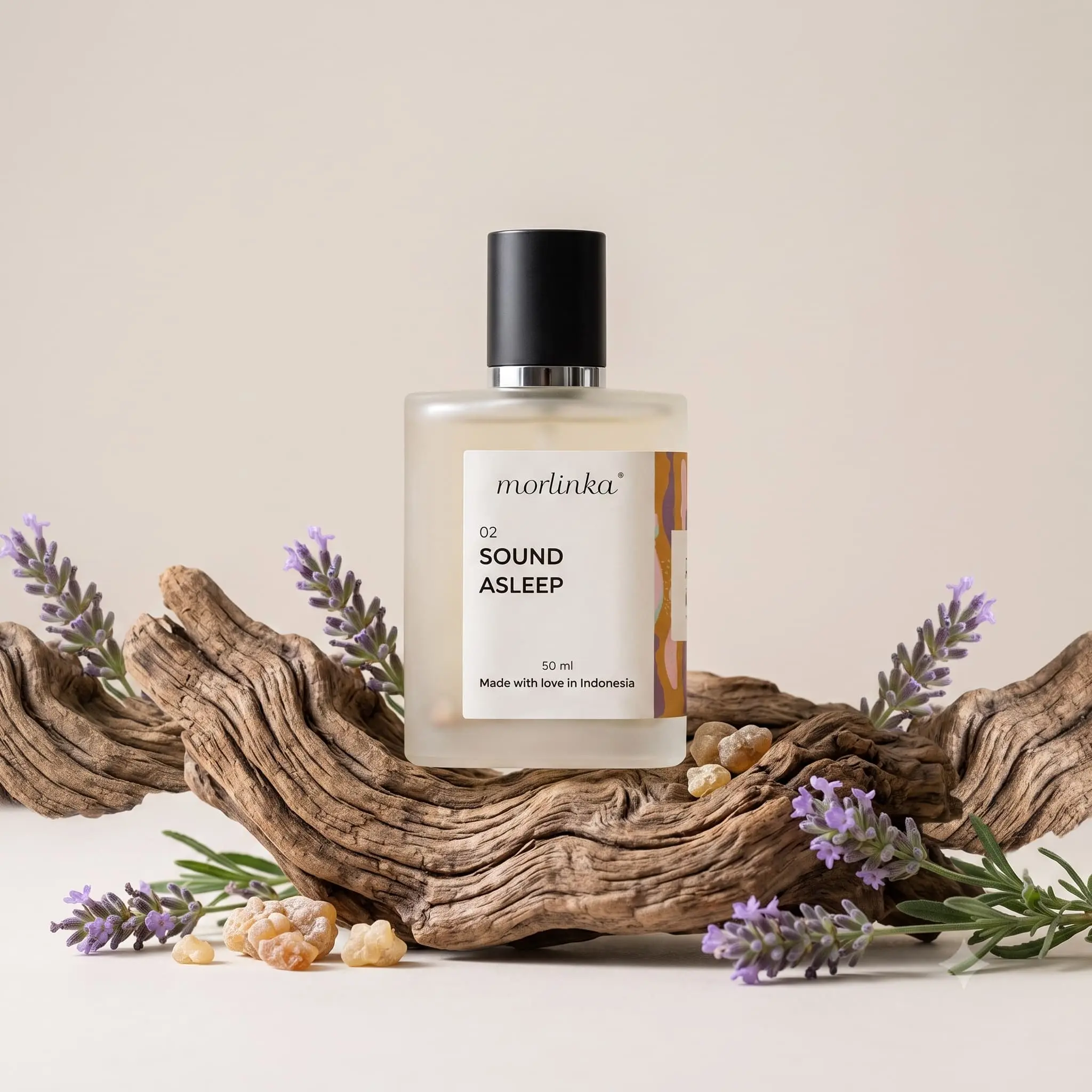
Sound Asleep: A blend of lavender and frankincense designed to support restful sleep and calm anxiety. Use it in your bedroom 15-30 minutes before sleep. The combination creates a multi-layered calming effect that signals your body it’s safe to rest.
Work in Progress: Lavender and sandalwood create a multi-layered activation effect. Use it in your workspace when you need focus and clarity.
Guard Against: Sandalwood, clove and black pepper create a grounding effect for emotional strength and boundaries. Use it before difficult conversations or when you need to feel grounded and strong.
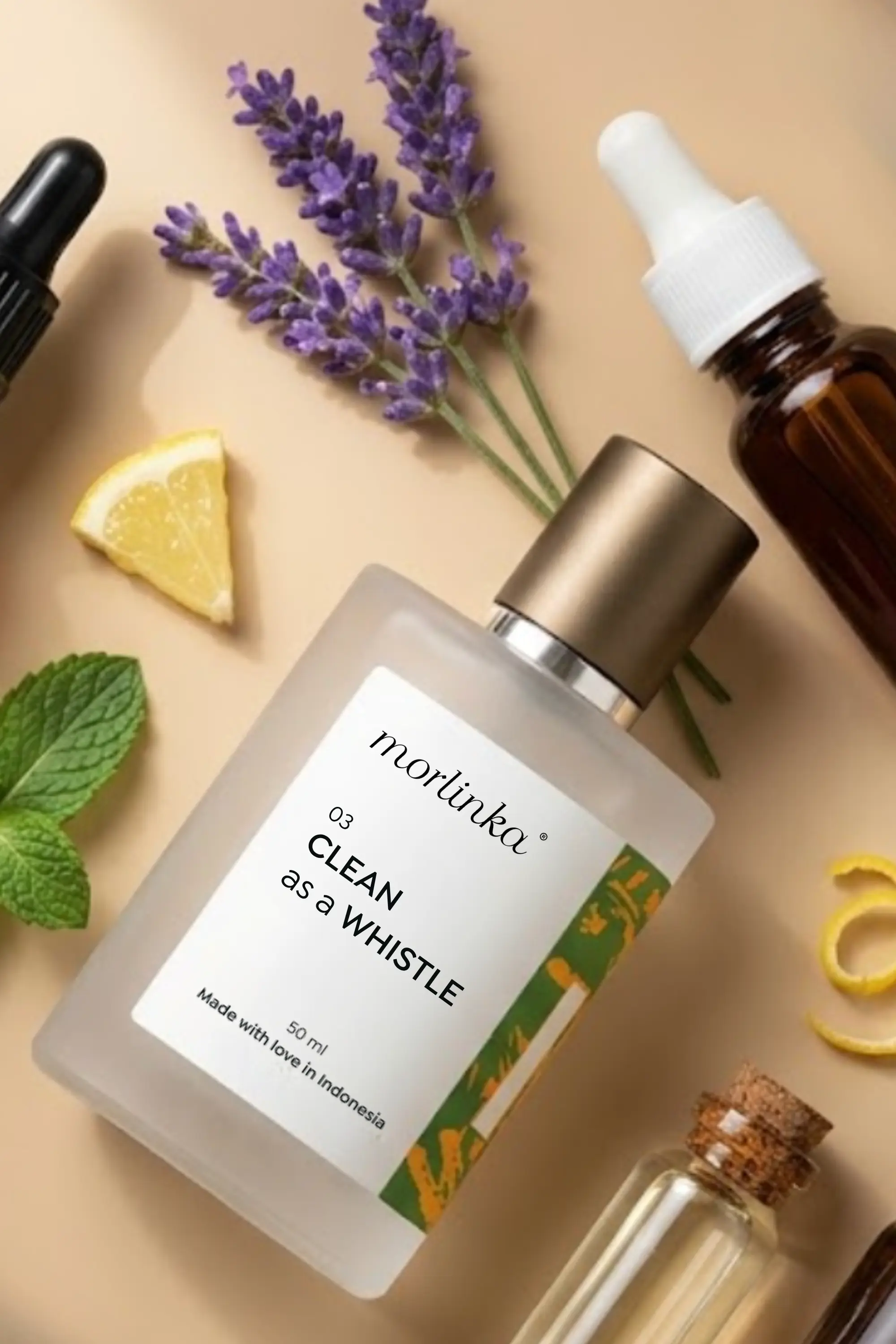
Clean as a Whistle: Ylang ylang and sweet orange create an uplifting effect that invites clarity and freshness. Use it anywhere to refresh and uplift your mood.
What makes Morlinka stand out is their commitment to using 100% pure essential oils, sourcing ethically, creating intentional blends for specific purposes, and prioritising safety in their recommendations.
Getting Started
If you’re new to essential oils, keep it simple:
Step 1: Start with one oil or mist that resonates with you. Choose based on what you need right now (better sleep, more focus, calm) or what you’re drawn to.
Step 2: Invest in quality. Don’t buy the cheapest option. Quality matters significantly.
Step 3: Start with diffusion or mists. This is the safest way to experience essential oils without risking skin irritation.
Step 4: Use consistently for at least a week. Notice how you feel. Essential oils work best with consistent use.
Step 5: Expand slowly. Once comfortable, add another oil that supports a different need.
If you’re new to essential oils, Morlinka mists are a perfect entry point. They’re pre-blended with intention, safe to use, and designed for specific wellness goals. Start with the one that matches your primary need, use it consistently, and notice the shifts that happen over time.
The Bottom Line
Essential oils aren’t magic, but they are powerful. They’re a bridge between nature and wellness, between scent and emotion, between intention and action.
When you use an essential oil consciously—when you pause, take a breath, and engage with the scent with intention—you’re not just getting the biochemical effect. You’re getting the oil plus your intention. You’re getting nature plus your ritual. And that combination is more powerful than either alone.
Essential oils are accessible tools for genuine wellness. They’re ways to care for yourself that don’t require special equipment or expertise. They’re ways to shift your mood, focus, sleep, and emotional state—in minutes.
Start your journey today. Choose the Morlinka mist that matches your current need. Use it consistently for a week. Notice how it affects you. Then share your experience with the community.

Because essential oils aren’t just about scent. They’re about intention. They’re about ritual. They’re about choosing to care for yourself, even in the midst of chaos and travel and the beautiful complexity of life.
That’s what wellness really is.
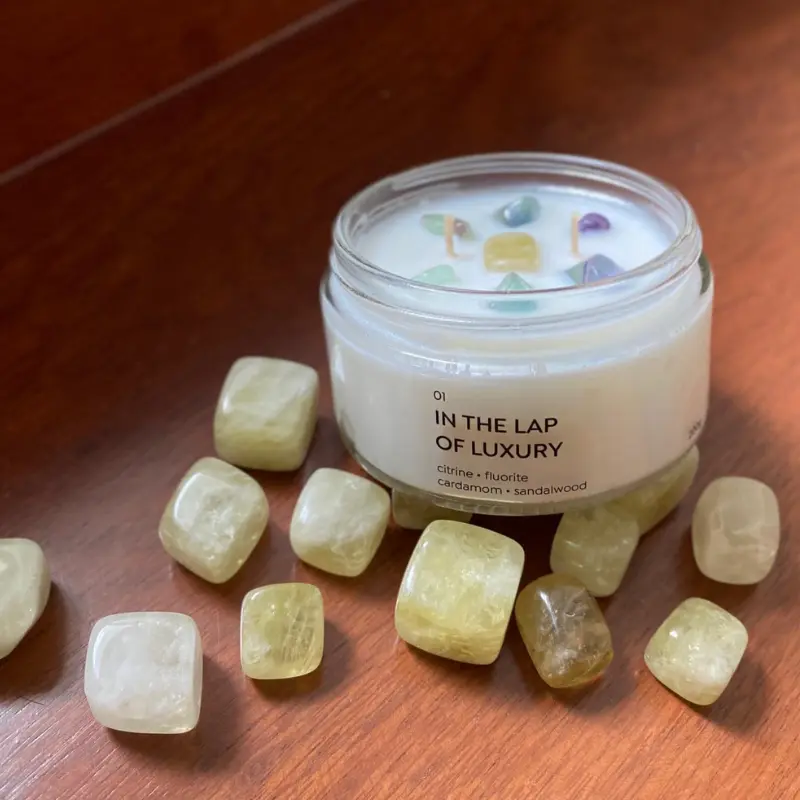


From the love of sustainability to the playful scent of serenity, Morlinka elevates your mood through handcrafted self-care treasures.